
Overview
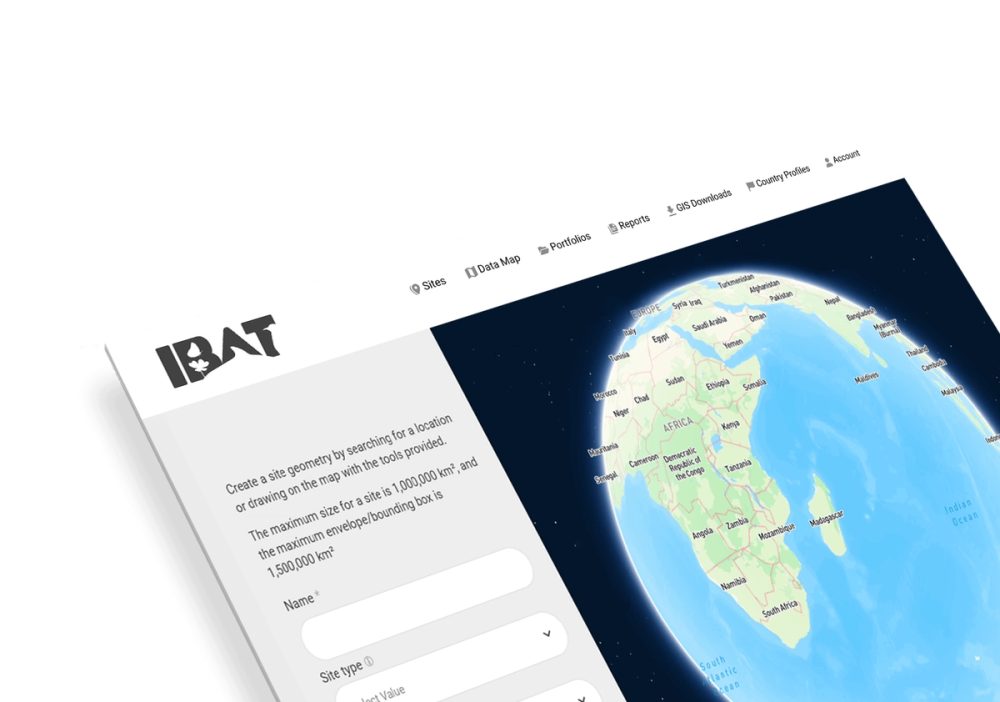
The Integrated Biodiversity Assessment Tool (IBAT) is a central platform providing secure access to the world's most authoritative global biodiversity data. Developed through a unique alliance of four leading conservation organizations—BirdLife International, Conservation International, IUCN, and UNEP-WCMC—IBAT helps organizations map biodiversity risks, prioritize conservation actions, and make science-based, world-shaping decisions.
The platform addresses the critical challenge of sourcing validated, expert-reviewed biodiversity data for corporate operations, supply chains, and investment portfolios. By consolidating multiple global datasets into a single, accessible interface, IBAT enables users to perform rapid risk screening and generate comprehensive reports without needing to navigate disparate scientific databases.
What sets IBAT apart is its direct connection to the foundational datasets maintained by its alliance partners. Commercial subscription fees are directly reinvested into maintaining and updating these critical global resources, ensuring a sustainable cycle of high-quality biodiversity monitoring.
Key Features
- Authoritative Global Datasets: Provides direct access to the IUCN Red List of Threatened Species, the World Database on Protected and Conserved Areas, and the World Database of Key Biodiversity Areas.
- Bespoke Risk Reports: Generates tailored reports, such as the Species Report, which integrates the Species Threat Abatement and Restoration (STAR) metric to quantify potential reductions in extinction risk.
- GIS & Spatial Data Integration: Allows users to download and integrate spatial data directly into internal GIS platforms for advanced mapping and deep spatial analysis.
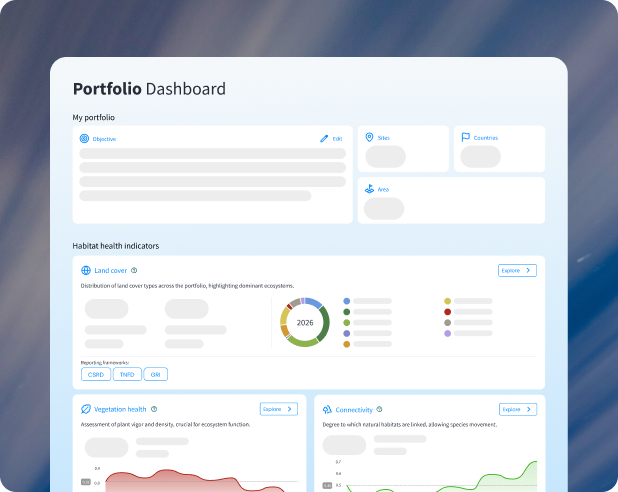
- Sustainability Disclosure Support: Delivers validated data to support credible reporting under frameworks like CSRD, TNFD, and the Sustainable Development Goals.
Use Cases
- Operational Site Screening: A multinational corporation screens its global operating sites to identify nearby threatened species and legally protected areas, prioritizing local restoration activities.
- Sustainability Reporting: An ESG team uses IBAT's science-based data to prepare biodiversity disclosures required by the Corporate Sustainability Reporting Directive (CSRD).
- Carbon Credit Due Diligence: A carbon rating agency analyzes habitat threats and protected area designations to assess the ecological integrity of a carbon credit project.
- Investment Risk Assessment: A financial institution evaluates biodiversity risks across its investment portfolio to align with nature-positive goals and mitigate ecological impact.
Who It's For
IBAT is designed for sustainability officers, ESG analysts, GIS specialists, and risk managers within corporates, financial institutions, consultancies, NGOs, and academic institutions. It serves organizations of all sizes looking to integrate rigorous biodiversity metrics into their decision-making and reporting workflows.